Foot pain is usually a design issue, not just a comfort issue
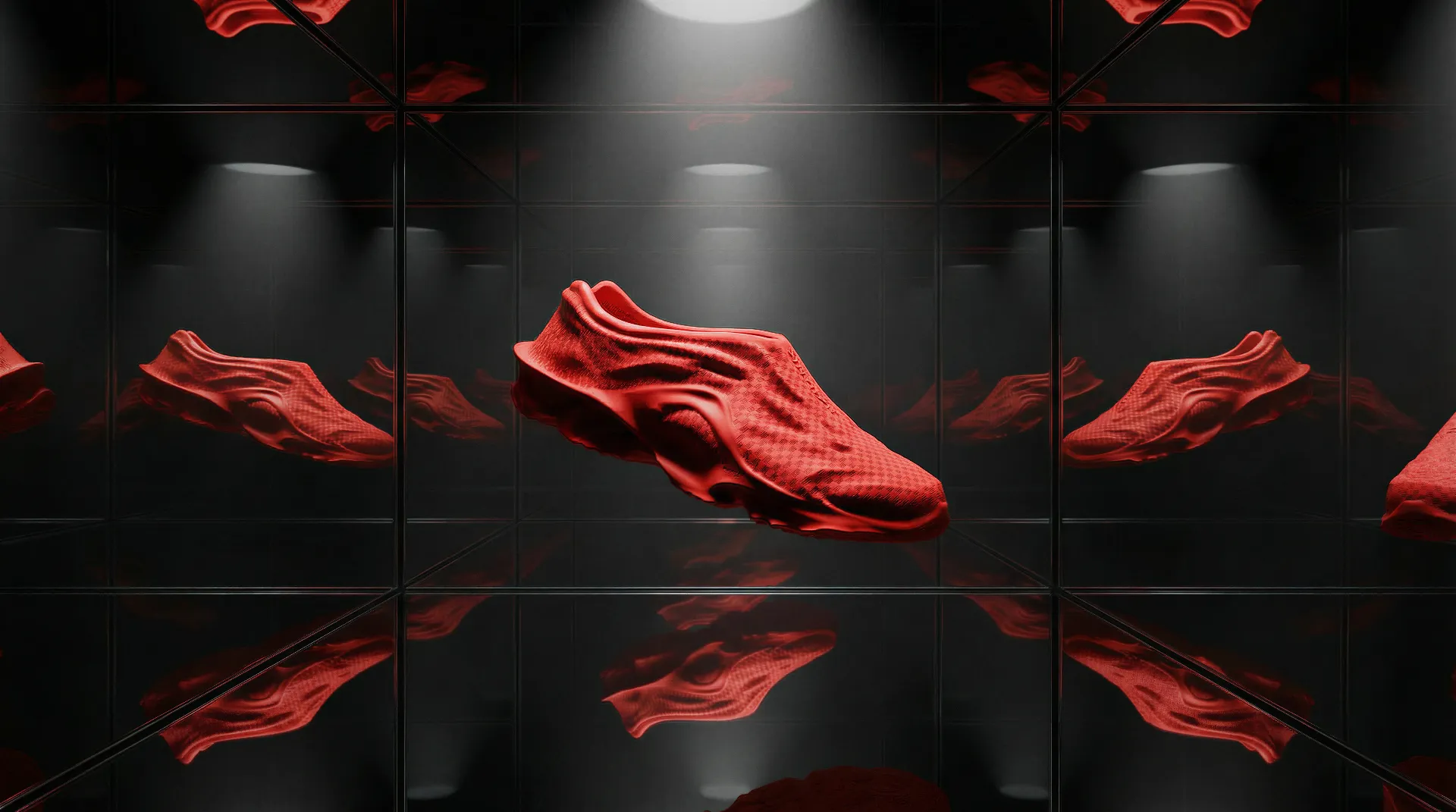
If you are searching for the best shoes for foot pain, the goal is usually not marketing language or temporary softness. It is finding something like the custom-fitted 3D shoes by Syntilay that actually changes how your feet feel after hours of standing, walking, or moving through a full day.
At Syntilay, that is exactly the problem we are focused on solving with our custom-fitted 3D shoes. We design footwear around how your feet actually function, not how an “average foot” is assumed to move. Using AI-powered foot scanning and advanced 3D printed construction, Syntilay creates footwear tailored to your individual foot structure.
Foot pain shows up in many ways. For some, it is heel soreness at the end of the day. For others, it is arch fatigue, forefoot pressure, or a “heavy feet” feeling after long shifts or travel. It affects athletes, nurses, retail workers, teachers, warehouse employees, travelers, and anyone who spends long hours on hard surfaces.
Most of this discomfort comes down to one core issue: how force is distributed through the foot over time.
A clinical study published in the National Library of Medicine found that most patients diagnosed with plantar fasciitis wore inappropriate footwear, and those wearing shoes without proper cushioning or arch support experienced significantly more severe heel pain.
That is where most shoes fall short. They are designed for averages, not individuals.
As Syntilay Founder and CEO Ben Weiss puts it, “The problem with most footwear is that it assumes a standard foot. In reality, every step you take is shaped by your own structure, and your shoes should reflect that.”
Why most shoes fail to solve foot pain long-term
Most traditional footwear is built using standardized molds. Every shoe begins from a generalized shape and is then scaled across sizes.
Even high-end sneakers typically rely on the same system:
foam midsoles for cushioning
generic arch support shapes
uniform density across the footbed
Foam feels comfortable at first, but it compresses over time. As it breaks down, pressure shifts into the heel, arch, or forefoot.
The result is predictable:
heel pain after long days
arch fatigue during extended standing
forefoot pressure during walking or running
reduced stability over time
The issue is not effort. It is a design limitation, explored further in how 3D printed shoe comfort differs from traditional foam-based footwear.
The Syntilay approach: building around your foot, not the average
Syntilay takes a different approach by starting with your actual foot structure.
Instead of designing around shoe sizes, we design around a 3D shape of your feet. Using advanced scanning technology, we analyze more than 5,000 data points per foot.
That data generates a digital model of your foot, which informs the structure of your shoe from the inside out.
Why Syntilay shoes feel different for foot pain
The difference people notice is not just softness. It is what happens over time.
Our 3D printed structure is designed to:
distribute pressure more evenly across the foot
reduce localized stress in the heel and forefoot
support stability during long periods of standing
maintain structure instead of breaking down over time
This is why many users report the biggest difference shows up after hours of wear, not just the first step. As one athlete who tested Syntilay footwear described it, “Usually after long days on my feet, I feel it in my heels. With these, the support stayed consistent the entire day instead of fading after a few hours.”
Why pressure distribution matters more than cushioning
Most foot pain is not caused by a lack of softness. It is caused by uneven force distribution.
Syntilay focuses on correcting that imbalance through an AI-generated internal structure that spreads the load more evenly across the entire footbed.
This aligns with findings from biomechanical research in clinical gait and plantar pressure studies, where how force travels through the foot is a key factor in discomfort and joint stress.
Why 3D printing changes the footwear model
3D printing removes the limits of traditional molds.
It allows Syntilay to design internal structures with:
variable density support zones
targeted flexibility areas
heel stabilization geometry
pressure flow distribution across the footbed
You can see this approach across our product ecosystem, including Syntilay Custom 3D Printed Sneakers and Syntilay Recovery Slides, both built on the same principle of pressure management and structural alignment, similar to how athlete recovery shoes are used off the field to manage daily foot stress.
Explore Syntilay Footwear Designed Around Your Feet
At Syntilay, footwear is not one fixed design. It is a system of products built around your foot shape, movement, and how you handle daily pressure.
Every pair is:
custom fitted through foot scanning
built with fused 3D lattice construction for adaptive support
breathable, washable, and odor-resistant
100% recyclable with sweatshop-free production
Product offerings
SKIN → Minimal sculptural slide for lightweight structural comfort
Luminez → AI-driven performance design with bold structural geometry
Pulse Podz → Pressure-adaptive recovery lattice for airflow and relief
STEPN GO → Scan-to-fit digital lifestyle bridge between tech and wear
Xplorer Ultra → AI-shaped everyday slide for stable all-day support
Who benefits most from this approach
People who benefit most include those who:
stand for long shifts
walk frequently during the day
travel often
work on hard surfaces
train regularly or stay active
The common factor is repetitive foot loading. Small improvements in how that load is distributed can significantly improve long-term comfort.
Why Syntilay is different from traditional comfort brands
Most comfort footwear brands focus on making shoes feel softer. Syntilay focuses on making them structurally smarter. which is why the best shoes for foot pain are not just cushioned, but engineered.
Traditional approach:
add more foam
increase cushioning
assume average foot behavior
Syntilay approach:
scan individual foot structure
model material support needed using AI
print internal support geometry
design around biomechanics, not assumptions
As Rick Waters explains, “If you only change how a shoe feels on the surface, you never fix the underlying problem. Real comfort comes from how the structure interacts with the foot over time.”
For users looking for the best shoes for foot pain, the custom-fitted 3D shoes by Syntilay offer a structured, data-driven approach to long-term comfort, and our team is available to answer questions and guide next steps.
Frequently Asked Questions (FAQ)
What are the best shoes for foot pain?
The best shoes for foot pain are those that improve pressure distribution and biomechanical alignment rather than relying only on cushioning.
Do 3D printed shoes help with foot pain?
They can help improve comfort by enabling engineered internal structures that distribute pressure more evenly across the foot.
How does Syntilay customize shoes?
Syntilay uses AI foot scanning, advanced modeling, and 3D printing to design footwear based on individual foot structure and movement patterns.
Are these shoes only for athletes?
No. They are designed for anyone who spends long periods standing, walking, traveling, or experiencing daily foot fatigue.
